

Restore a youthful fullness to your face using your body's own natural tissue. Dr. Lucas Bryant, a double board-certified plastic surgeon at Refine Facial Plastic Surgery and Aesthetics, specializes in facial fat grafting in Nashville, a procedure that gently restores volume to the cheeks, lips, and other areas. Discover a long-lasting, natural-looking rejuvenation that harmonizes with your unique features.







What is facial fat transfer?
Facial fat grafting is a minimally invasive procedure that uses your own fat, harvested from areas such as the abdomen or thighs, to restore volume and rejuvenate your facial features naturally.
Am I a good candidate for facial fat transfer?
Good candidates for facial fat grafting in Nashville have volume loss in their cheeks, temples, or lips and prefer natural, long-lasting results. Ideal patients are generally healthy and have realistic expectations.
How long do the results of facial fat transfer last?
Facial fat grafting results are considered permanent, as the transferred fat establishes its own blood supply. However, some initial volume loss is normal, and additional treatments may be required for optimal outcomes.
What is the recovery time after facial fat transfer?
Recovery typically takes about one to two weeks. You may experience mild swelling and bruising at the injection sites and donor areas, but most patients return to normal activities within 7–10 days.
Is facial fat transfer safe?
Yes, facial fat grafting is safe, particularly when performed by an experienced, board-certified facial plastic surgeon. Since your own fat is used, the risk of adverse reactions or allergies is significantly reduced.
Can facial fat transfer be combined with other procedures?
Absolutely. Facial fat grafting is frequently combined with procedures like facelifts, eyelid surgery, or nonsurgical treatments such as BOTOX® and dermal fillers, for comprehensive facial rejuvenation.
What makes Dr. Bryant the best choice for facial fat transfer in Nashville?
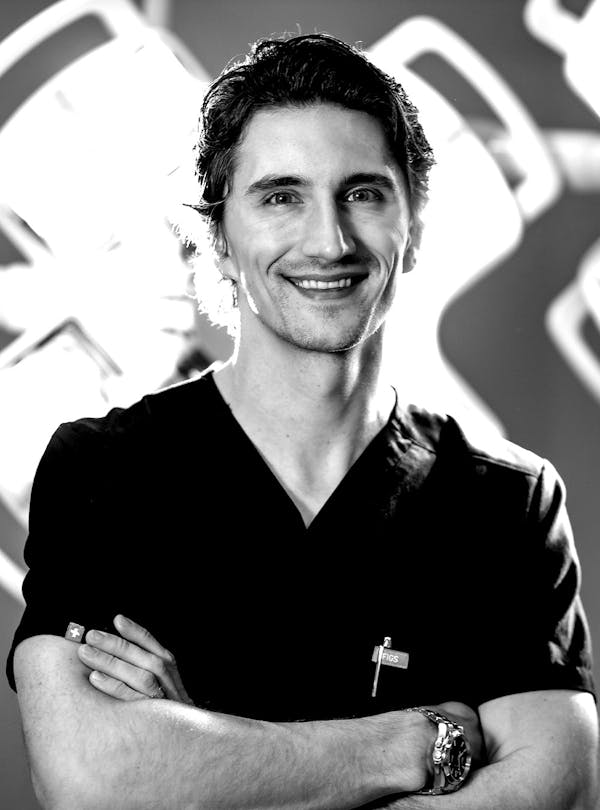
Dr. Lucas Bryant is a double board-certified, fellowship-trained facial plastic surgeon with extensive experience in facial fat grafting. His expertise and artistic approach ensure precise fat placement for natural, long-lasting results. By understanding each patient's unique facial anatomy and goals, Dr. Bryant tailors every procedure to enhance your facial contours and rejuvenate your appearance safely and effectively. Trust his comprehensive training and proven results for optimal outcomes.
What are the benefits of choosing facial fat transfer over dermal fillers?
While dermal fillers offer immediate results, facial fat transfer provides a longer-lasting, natural solution using your own fat. Unlike synthetic fillers, fat grafting rejuvenates the face with results that feel and look more authentic. Additionally, facial fat transfer can address multiple areas at once, like the cheeks, temples, and lips, for comprehensive facial volume restoration, while offering the benefit of permanent results once the fat integrates into its new location.
Can facial fat transfer improve skin texture and tone?
Yes, facial fat transfer can enhance the texture and tone of the skin. The process of grafting fat cells into the facial tissue not only restores volume but can also improve the appearance of skin by smoothing wrinkles and enhancing the overall contour. The injected fat helps nourish the skin and encourage collagen production, which promotes firmer, healthier-looking skin over time. This dual benefit of volume restoration and skin rejuvenation makes it an excellent choice for a natural, refreshed appearance.
What is microfat grafting?
Microfat grafting is a refined form of fat transfer in which harvested fat is gently processed into small clusters that preserve intact fat cells and their associated regenerative components. It is primarily used to restore volume to hollow or deflated areas of the face, such as the cheeks, temples, or under-eye region, with results that integrate naturally and last long-term.
What is nanofat grafting?
Nanofat grafting takes harvested fat and processes it through mechanical emulsification until it becomes a very fine, fluid emulsion. Most of the fat cells are broken down in this process, leaving behind a concentrated mix of stem cells, growth factors, and cytokines. Nanofat is injected superficially to improve skin quality, texture, tone, and the appearance of fine lines, dark circles, and scarring.
What is the difference between microfat and nanofat grafting?
The key difference is purpose. Microfat retains intact fat cells and is used to restore structural volume; think of it as a natural, permanent alternative to dermal fillers in areas like the cheeks or temples. Nanofat has very few intact fat cells remaining after processing; instead, it delivers a concentrated dose of regenerative components directly to the skin to improve texture, tone, and elasticity. One volumizes, the other rejuvenates.
Can microfat and nanofat be combined in the same procedure?
Yes, and for many patients, combining both techniques produces the most complete result. Dr. Bryant can use microfat to address volume loss in deeper structural areas while using nanofat to refine the skin's surface quality in the same session. This layered approach takes full advantage of the regenerative properties your own tissue provides. During your consultation at Refine Facial Plastic Surgery and Aesthetics, Dr. Bryant will evaluate your goals and anatomy to determine whether one or both techniques are right for you.